Recommended Reading
The following reading materials have been curated under various topics. Here you'll find a brief description of the content, the author(s), publisher, and ISBN reference.
Leadership and Emotional Intelligence
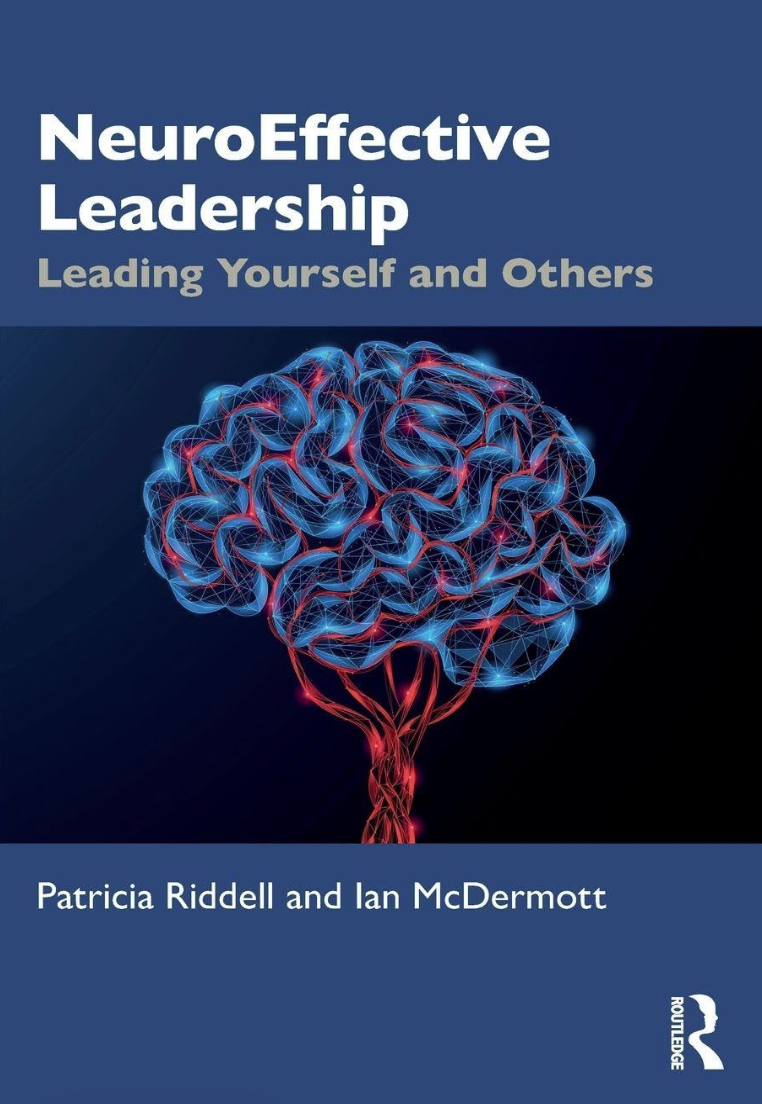
Patricia Riddell and Ian McDermott
Viewing leadership through a neuroscientific lens is transforming the way we understand, interpret, manage, and lead ourselves and others. This book provides practical neuroscientific approaches to leadership that promote far greater effectiveness at both a personal and team level.
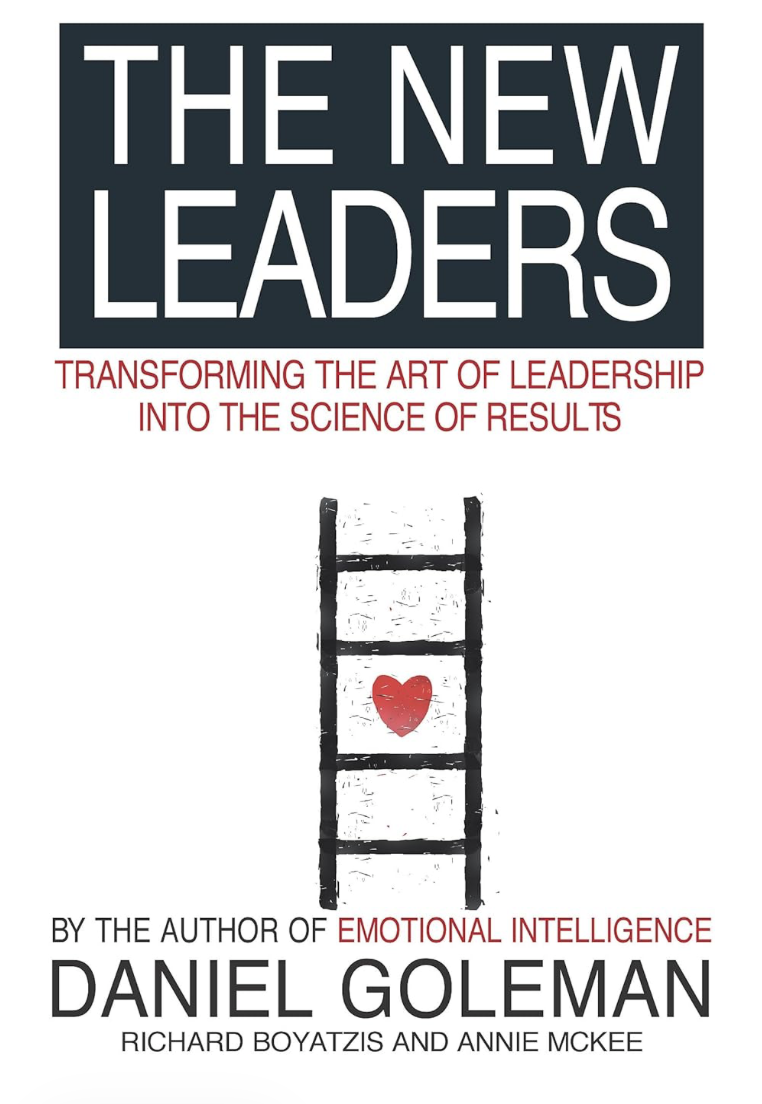
Daniel Goleman, Richard Boyatzis, and Annie McKee
As business reinvents itself at broadband speed, what makes leaders effective has inevitably been transformed. Old assumptions and old modes no longer hold; a new style of leadership that works has emerged amidst the chaos of change.
This new leader excels in the art of relationship, the singular expertise, which the changing business climate renders indispensable. Excellence is being defined in interpersonal terms as companies have stripped out layers of managers, as corporations merge across national boundaries, and as customers and suppliers redefine the web of connection. Look for the practical description of dissonant and resonant leadership styles and why it is important to use all of these to maximise success for you as a leader and for your followers.
Published: Little Brown 416 pages
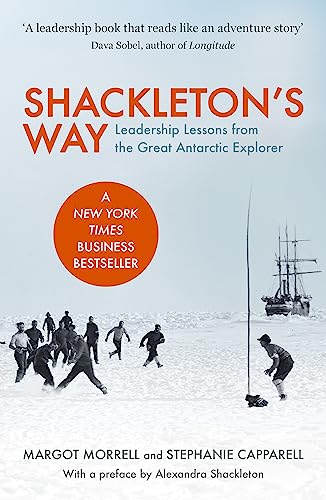
Sir Ernest Shackleton has been called "the greatest leader that ever came on God's earth, bar none" for saving the lives of the 27 men stranded with him on an Antarctic ice floe for almost two years more than 1,200 miles from the threads of civilization. Ernest Shackleton is a model of great leadership and as well as the master of crisis management. Shackleton's Way will reveal in a simple, reader-friendly way what separated the explorer from his less successful and less admired colleagues, and what inspired the unfailing loyalty of his men.
Written by two veteran business observers, Shackleton's Way details universal leadership tactics set against the thrilling survival story of the Endurance expedition. Whether it's hiring good workers, supporting and inspiring employees to do their best, managing a crisis with limited personnel and resources, creating order out of chaos, or leading be personal example with optimism, egalitarianism, humour, strength, ingenuity, intelligence, and compassion, Ernest Shackleton set an example we can all follow. llustrated with photographer Frank Hurley's masterpieces and other rarely seen photos, Shackleton's Way is filled with fascinating and practical lessons of a leader who succeeded by putting people first and triumphing brilliantly when all the odds were against him.
Published: Nicholas Brearley 328 pages
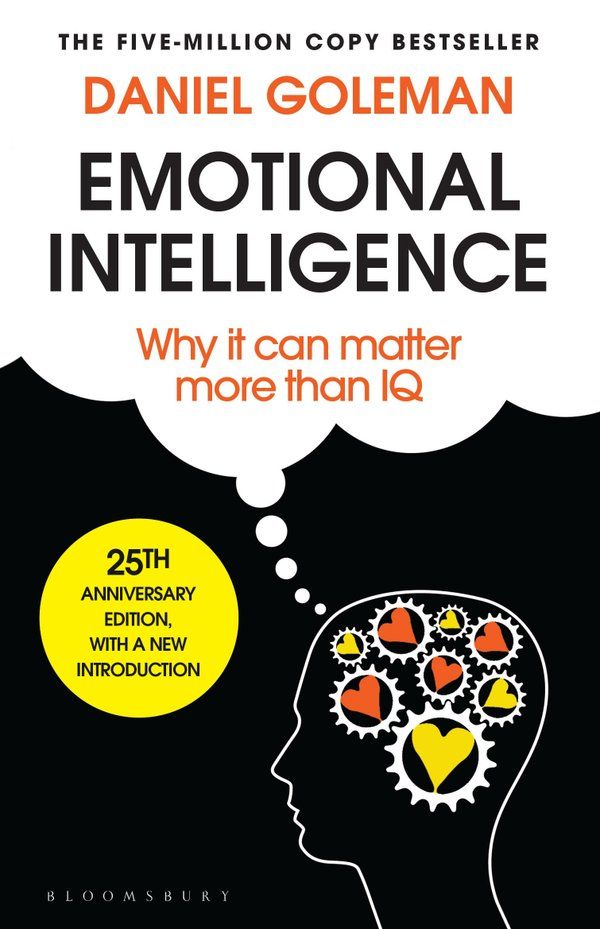
Daniel Goleman
A 25th anniversary edition of the number one, multi-million copy international bestseller that taught us how emotional intelligence is more important than IQ - 'a revolutionary, paradigm-shattering idea' (Harvard Business Review). Featuring a new introduction from the author Daniel Goleman.
Does IQ define our destiny? Daniel Goleman argues that our view of human intelligence is far too narrow, and that our emotions play major role in thought, decision-making, and individual success. Self-awareness, impulse control, persistence, motivation, empathy and social deftness are all qualities that mark people who excel: whose relationships flourish, and who are stars in the workplace.
With new insights into the brain architecture underlying emotion and rationality, Goleman shows precisely how emotional intelligence can be nurtured and strengthened in all of us.
Published: Bloomsbury 352 pages
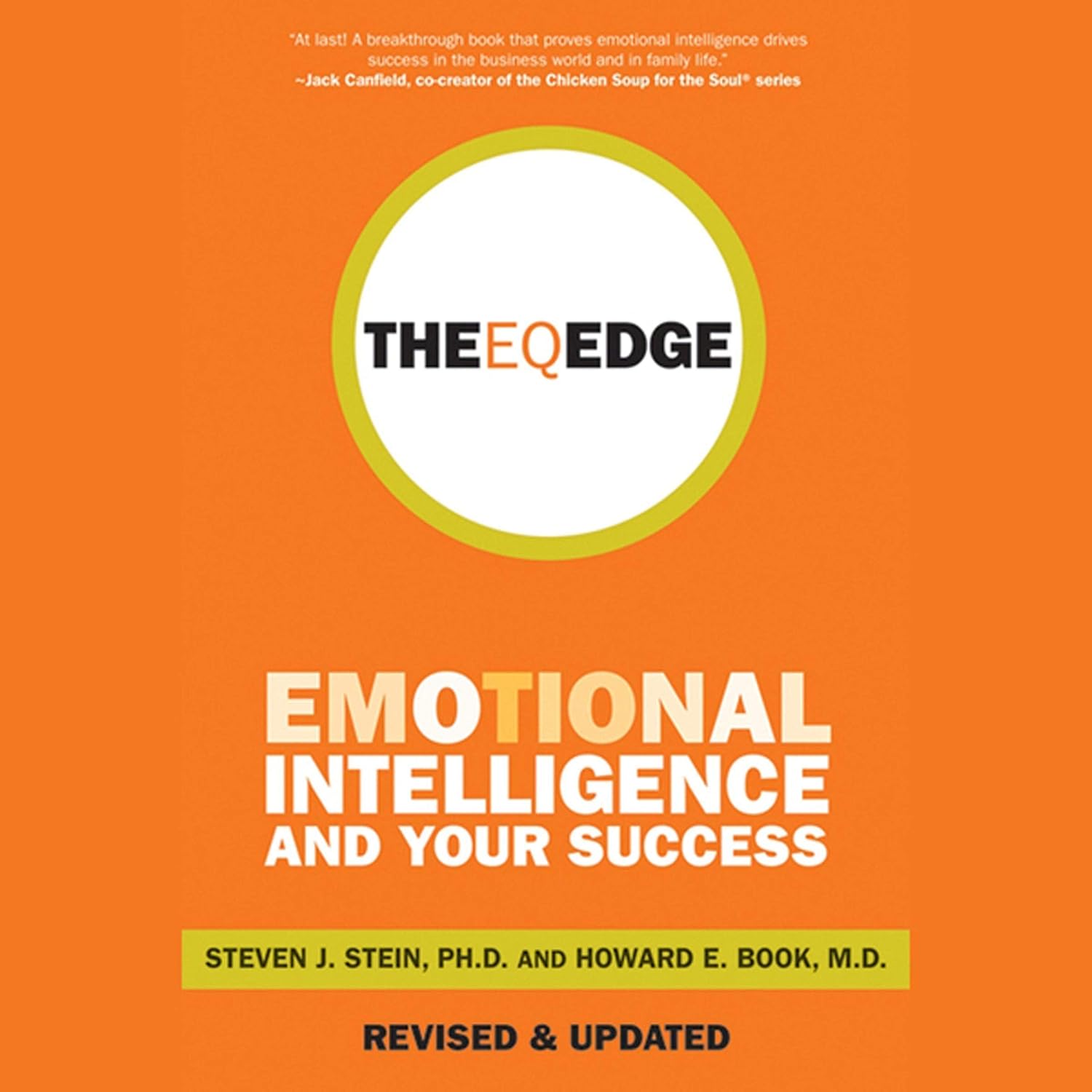
Authors Steven J. Stein and Howard E. Book show you how the dynamic of emotional intelligence works. By understanding EQ, you can build more meaningful relationships, boost your confidence and optimism, and respond to challenges with enthusiasm–all of which are essential ingredients of success. The book features case studies and fascinating—and surprising—insights into EQ and the workplace. As an HR or line manager, this book will help you determine which personnel are the right fit for job opportunities and who among your staff will be the most promising leaders and drivers of your business. And because CEOs to front-line workers also have other roles—parent, spouse, caregiver to aging parents, neighbor, friend—The EQ Edge also describes how everyone can be more successful in these relationships.
Published: Wiley 288 pages
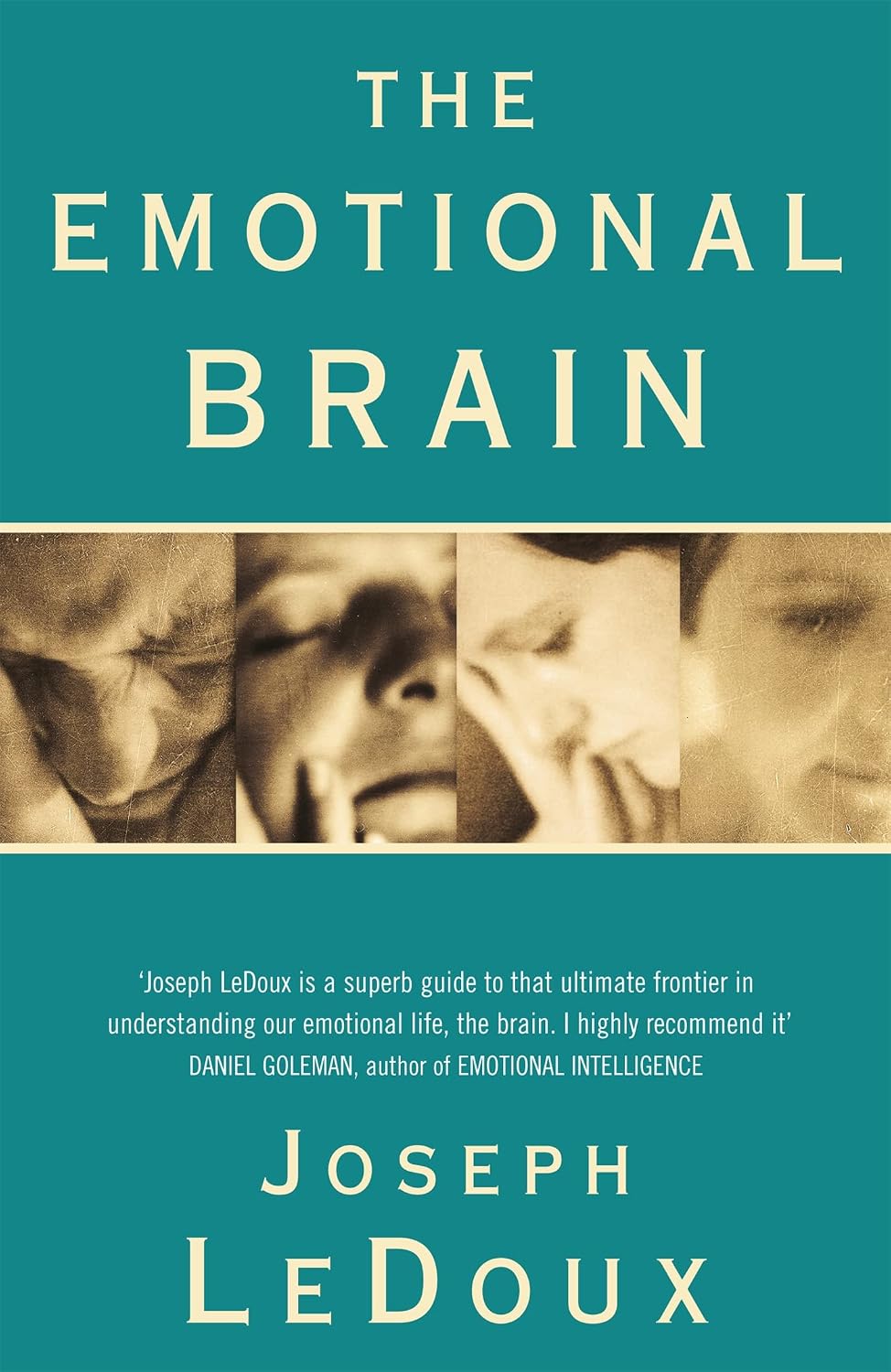
Joseph LeDoux
The Emotional Brain provides a cutting-edge scientific background to such books as Daniel Goleman's Emotional Intelligence, showing that while cognitive studies have tended to ignore the emotions, we are increasingly understanding how crucial they are to our evolutionary survival, as shortcuts to cut through conscious reasoning when speed and rules-of-thumb are more important and effective than logic. Much of our emotional life is lived unconsciously, and is far richer than simply our conscious feelings - for example, our conscious mind will already be reacting to situations of danger some time before we begin to be afraid.Not only does LeDoux present a fascinating insight into how our emotions function normally, but also provides a new understanding of emotional disorders.
Published: Simon and Schuster 384 pages
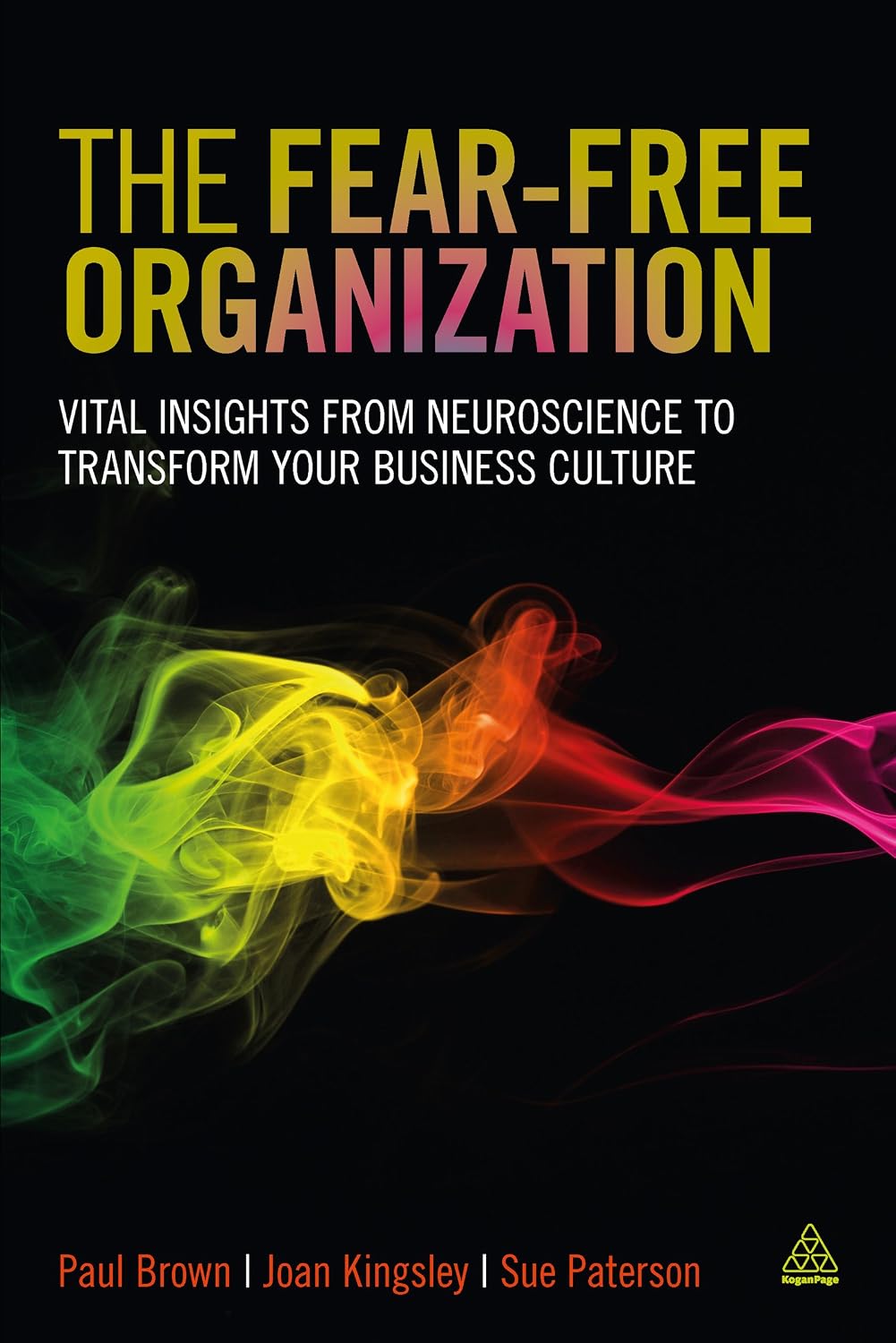
Evidence from neuroscience shows that individuals and organizations are more successful when people are encouraged to take risks, explore new ideas, and channel their energies in ways that work for them. And yet many organizations are filled with bullies, vicious gossip, undermining behaviours, hijacking tactics, political jockeying for position, favouritism and other factors that instil fear and impede productivity. It is no wonder that organizations are actively looking at how they can improve and maintain the psychological health and wellbeing of their employees to the benefit of all concerned. The Fear-free Organization reveals how our new understanding of the neurobiology of the self - how the brain constructs the person - can transform for the better the way our businesses and organizations work.
Academic yet accessible, The Fear-free Organization addresses head on the issue that scared people spend a lot more time plotting their survival than working productively. The book helps leaders understand the neurobiology of fear, face the damage it is doing, and replace it with building relationships, managing energy flow and fostering trust. It guides you in making your workplace one that's full of energy, not adrenalin; focused on possibility, not profit; and generates independent thinking, not obedience so you can promote the psychological wellbeing that is strongly correlated with greater energy, motivation and better cognitive function.
Published: Kogan Page 256 pages
Risk, Decision Making, and Intuition
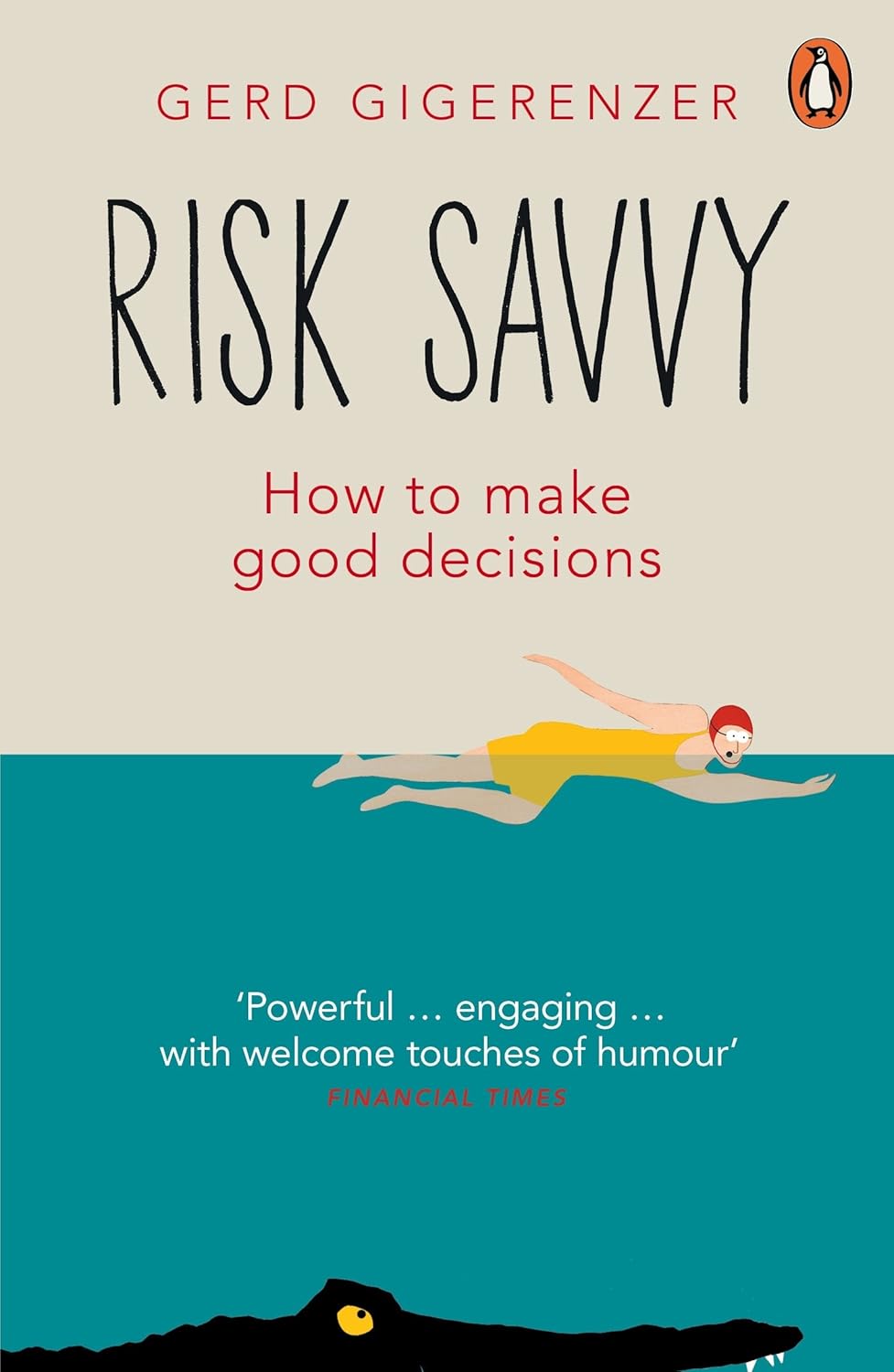
A fascinating, practical guide to making better decisions with our money, health and personal lives from Gerd Gigerenzer, the author of Reckoning with Risk.Risk-taking is essential for innovation, fun, and the courage to face the uncertainties in life. Yet for many important decisions, we're often presented with statistics and probabilities that we don't really understand and we inevitably rely on experts in the relevant fields - policy makers, financial advisors, doctors - to analyse and choose for us. But what if they don't quite understand the way the information is presented either? How do we make sure we're asking doctors the right questions about proposed treatment? Is there a rule of thumb that could help choose the right partner? This entertaining book shows us how to recognize when we don't have all the information and know what to do about it.
Gerd Gigerenzer looks at examples from every aspect of life to identify the reasons for our collective misunderstanding of the risks we face. He shows how we can all use simple rules to avoid being manipulated into unrealistic fears or hopes, to make better-informed decisions, and to learn to understand risk and uncertainty in our own lives. Gerd Gigerenzer is Director of the Center for Adaptive Behavior and Cognition at the Max Planck Institute for Human Development in Berlin and former Professor of Psychology at the University of Chicago. He is the author of several books on heuristics and decision making, including Reckoning with Risk.
Published: Allen Lane 322 pages
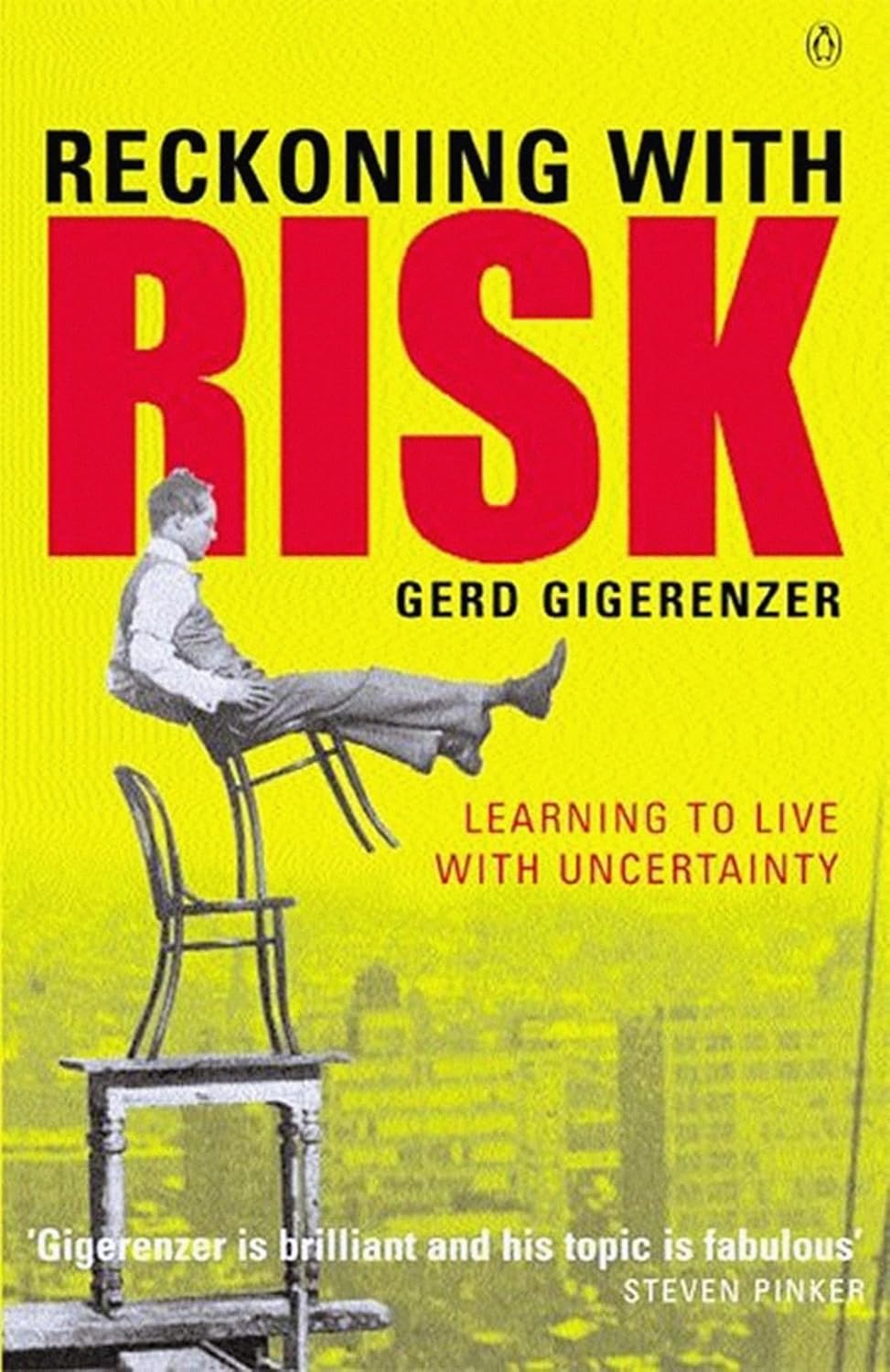
However much we want certainty in our lives, it feels as if we live in an uncertain and dangerous world. But are we guilty of wildly exaggerating the chances of some unwanted event happening to us? Are we misled by our ignorance of the reality of risk?
Far too many of us, argues Gerd Gigerenzer, are hampered by our own innumeracy, while statistics are often presented to us in highly confusing ways. With real world examples, such as the incidence of errors in tests for breast cancer or HIV, or in DNA fingerprinting, and the manipulation of statistics for evidence in court, he shows that our difficulty in thinking about numbers can easily be overcome.
This essential book illustrates how, with a few simple techniques, we can learn to uncloud our minds, demand helpfully presented information and turn ignorance into insight.
Published: Penguin Books 320 pages
Published: Allen Lane 499 pages
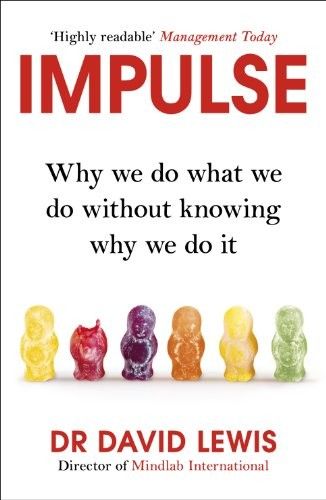
Impulse explores all the mystifying things people do despite knowing better, from blurting out indiscretions to falling for totally incompatible romantic partners. Informed by the latest research in neuropsychology, this eye-opening account explains why snap decisions so often govern—and occasionally enrich—our lives.
When you make a decision or form an opinion, you think you know why. But you’re wrong. The truth is that most of our mental activity actually happens below the level of conscious thought. Although we see ourselves as rational beings, we are far more likely to act according to impulse than logic. Delving into the mysteries of the ‘zombie brain’ that each of us possesses, Dr David Lewis demonstrates how unconscious neurological processes underpin every aspect of our lives, from whether or not we find someone attractive to how we resist (or give into) temptation. While we inevitably lose self-control on occasion, Lewis says, this can also be desirable, leading to experiences we cherish but would certainly miss if we were always logical. Less about the ideal reasoning we fail to use than the flawed reasoning we manage to get by with, Impulse proves there is more to a healthy mental life than being as coolly calculating as possible.
Published: Harvard University Press 336 pages
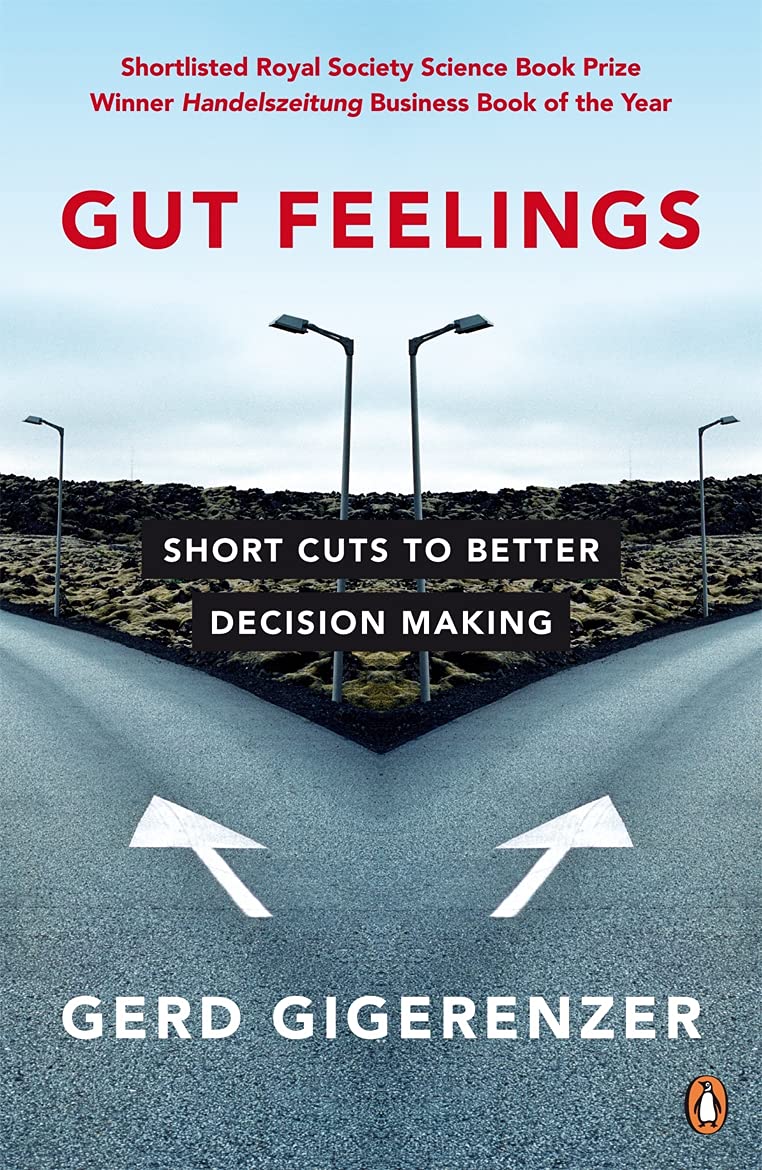
Think less – and know more. A sportsman can catch a ball without calculating its speed or distance. A group of amateurs beat the experts at playing the stock market. A man falls for the right woman even though she’s ‘wrong’ on paper. All these people succeeded by trusting their instincts – but how does it work?
In Gut Feelings psychologist and behavioural expert Gerd Gigerenzer reveals the secrets of fast and effective decision-making. He explains that, in an uncertain world, sometimes we have to ignore too much information and rely on our brain’s ‘short cut’, or heuristic. By explaining how intuition works and analyzing the techniques that people use to make good decisions – whether it’s in personnel selection or heart surgery – Gigerenzer will show you why gut thinking can change your world.
Published: Penguin Books 281 pages
Published: Nicholas Brearley 328 pages
Optimism and Pessimism
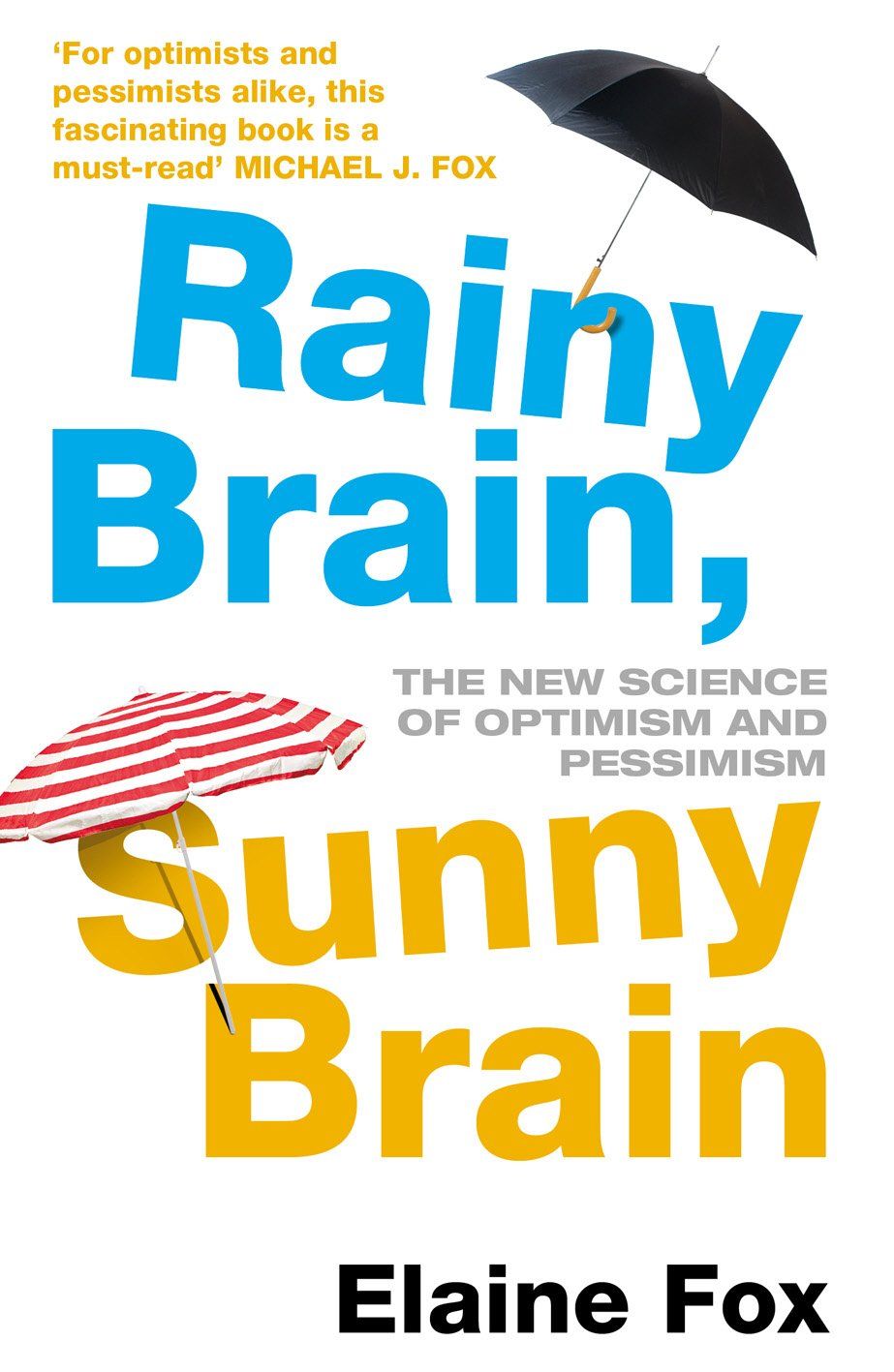
Are you optimistic or pessimistic? Glass half-full or half-empty? Do you look on the bright side or turn towards the dark? These are easy questions for most of us to answer, because our personality types are hard-wired into our brains. As pioneering psychologist and neuroscientist Elaine Fox has discovered, our outlook on life reflects our primal inclination to seek pleasure or avoid danger—inclinations that, in many people, are healthily balanced. But when our 'fear brain' or 'pleasure brain' is too strong, the results can be disastrous, as those of us suffering from debilitating shyness, addiction, depression, or anxiety know all too well.
Luckily, anyone suffering from these afflictions has reason to hope. Stunning breakthroughs in neuroscience show that our brains are more malleable than we ever imagined. In Rainy Brain, Sunny Brain, Fox describes a range of techniques—from traditional cognitive behavioural therapy to innovative cognitive bias retraining exercises—that can actually alter our brains’ circuitry, strengthening specific thought processes by exercising the neural systems that control them. The implications are enormous: lifelong pessimists can train themselves to think positively and find happiness, while pleasure-seekers inclined toward risky or destructive behavior can take control of their lives.
Published: William Heinemann 256 pages
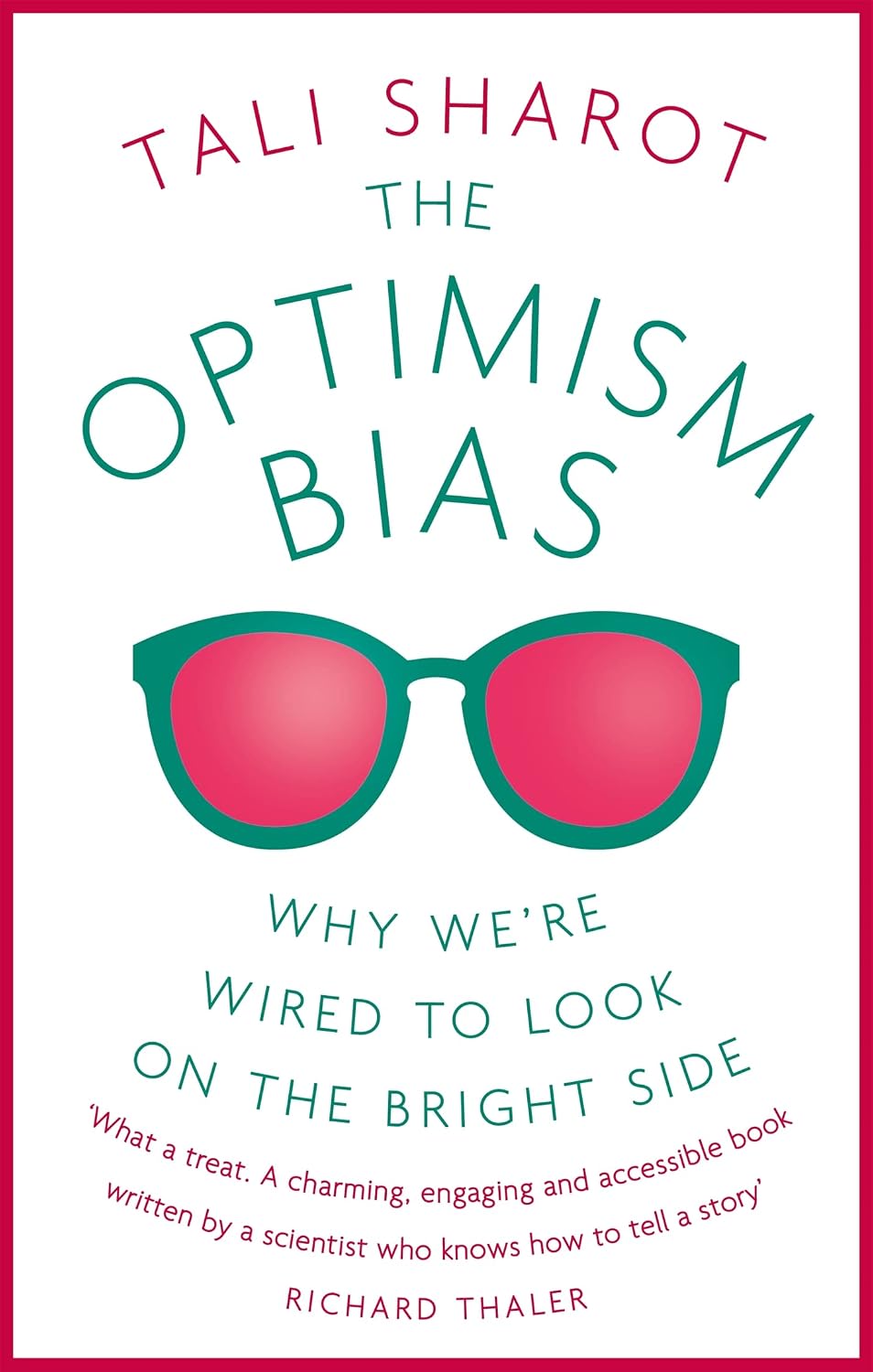
Psychologists have long been aware that most people tend to maintain an irrationally positive outlook on life. In fact, optimism may be crucial to our existence. Tali Sharot's original cognitive research demonstrates in surprising ways the biological basis for optimism. In this fascinating exploration, she takes an in-depth, clarifying look at how the brain generates hope and what happens when it fails; how the brains of optimists and pessimists differ; why we are terrible at predicting what will make us happy; how anticipation and dread affect us; and how our optimistic illusions affect our financial, professional, and emotional decisions.
Published: Robinson 272 pages
Published: Little, Brown Book Group 288 pages
Effective Change Management
Published: Little, Brown Book 288 pages
Profound organizational transformation takes years and, in most cases is unsuccessful, right? Not according to change expert Behnam Tabrizi. In Rapid Transformation: A 90-Day Plan for Fast and Effective Change , Tabrizi shows you how to accomplish successful transformational change in your firm in just 90 days. Based on ten years of research into more than 500 leading companies including 3M, IBM, GE, Nissan, Apple, Bay Networks, Verisign, HP and Best Buy--this book demystifies fast, effective change and lays out a clear roadmap for achieving it.
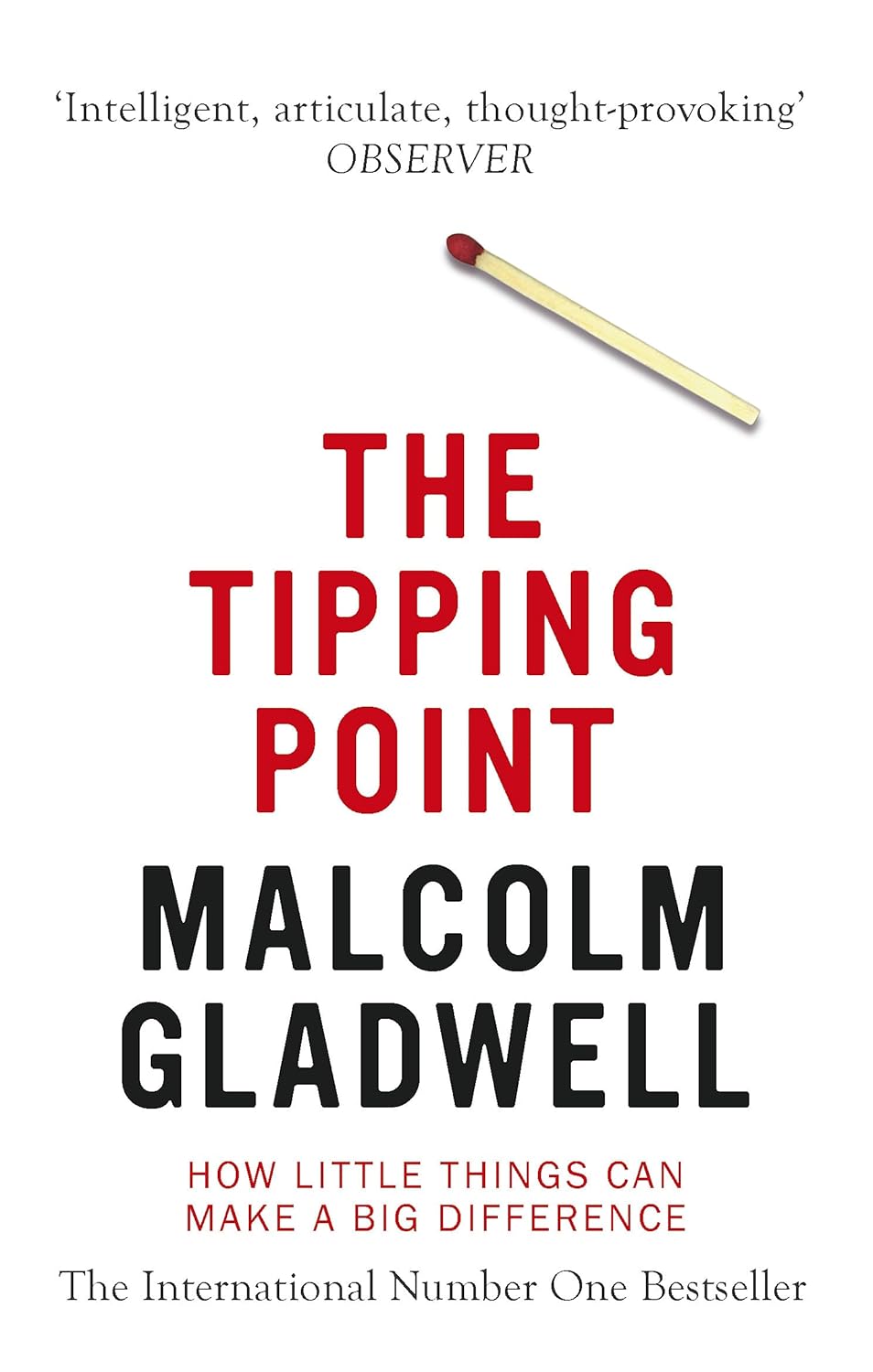
Tabrizi's 90-day transformational model comprises three main phases, each lasting 30 days. The model enables you to analyze your company's specific challenge, develop a new course of action, and carry out the plan. Moreover, you apply the model in parallel with the normal workings of your organization--so you don't have to put your company on hold for the sake of the change effort.With its detailed recipe and insightful stories from actual corporate reinventions, this book defies long-held assumptions about change and provides a practical and immediately actionable guide.In this brilliant and original book, Malcolm Gladwell explains and analyses the 'tipping point', that magic moment when ideas, trends and social behaviour cross a threshold, tip and spread like wildfire. Taking a look behind the surface of many familiar occurrences in our everyday world, Gladwell explains the fascinating social dynamics that cause rapid change.
Based on leading-edge research supported by numerous case studies, which demonstrate the power and impact of change, The Management Shift offers managers a practical and systemic approach to diagnose leadership issues in their organization. It then provides an implementation process to shift their mindset and organizational culture to the new level of thinking, performance, and ultimately business success.
Published: Palgrave Macmillan 251 pages
How does social change happen? When do social movements take off? Sexual harassment was once something that women had to endure; now a movement has risen up against it. White nationalist sentiments, on the other hand, were largely kept out of mainstream discourse; now there is no shortage of media outlets for them. In this book, with the help of behavioural economics, psychology, and other fields, Cass Sunstein casts a bright new light on how change happens.
Ever since civilised society began, we have felt the need to classify, categorise and specialise. It can make things more efficient, and help give the leaders of any organisation a sense of confidence that they have the right people focusing on the right tasks. But it can also be catastrophic, leading to tunnel vision and tribalism. Most importantly it can create a structural fog, with the full picture of where an organisation is heading hidden from view. It is incredibly widespread: the chances are these 'silos' are rife in any organisation or profession, whether your business, or your local school or hospital.
Published: Abacus 384 pages